


Electronics cooling specialist | Trainer at High Tech Institute | Principal, Wendy Luiten Consultancy
Wendy Luiten MSc is a Dutch electronics cooling specialist with more than forty years of industrial experience spanning consumer electronics, lighting, medical devices, semiconductors, mechatronics, aerospace and defense. She is principal of Wendy Luiten Consultancy, a long-term member of the SEMI-THERM program committee, a board member of THERMINIC and a trainer at High Tech Institute, where she teaches Electronics Cooling Thermal Design, Advanced Thermal Management of Electronics and Applied Statistics for R&D.
She is one of the most recognized figures in her field. She received the 2024 SEMI-THERM Thermi Award for Significant Contributions to Thermal Management of Semiconductors, the 2014 Harvey Rosten Award for her paper on solder joint lifetime in rapid-cycled LED components and the 2002 SEMI-THERM Best Paper Award. In 2015, Philips Research honored her with an Outstanding Achievement Award. She has over 35 journal and conference publications across SEMI-THERM, THERMINIC and various journals.
Selected publications
Luiten, G.A. (W.); Kadijk, S. “The better box model: an analytical estimation of temperature and flow in a free convection air cooled electronics enclosure.” (2009) – 25th IEEE SEMI-THERM Symposium, Eindhoven, 2009. DOI: 10.1109/STHERM.2009.4810745. Also published in Electronics Cooling, August 2009.
Luiten, G.A. “Cooling of a 32-inch plasma display monitor.” Proceedings of the 18th Annual IEEE Semiconductor Thermal Measurement and Management Symposium (SEMI-THERM XVIII), San Jose, March 2002, pp. 119–124. DOI: 10.1109/STHERM.2002.991356
Parry, J.; Luiten, G.A. (W.) “Design. Performance. Lifetime – Insights from thermal Ohm’s law” (2021) – Siemens Simcenter Blog, 2021.
Luiten graduated in 1984 with a Master of Science in mechanical engineering from the University of Twente making her the first female mechanical engineering graduate. She joined the Philips staff in 1985 as a mechanical and thermal specialist, focusing on mechanics and heat and mass transfer in ICs, electronic products and production processes.
She transferred to Philips Consumer Electronics in 1995 and has been busy with electronics cooling ever since. A defining chapter came in the late 1990s when she served as thermal architect on the team developing the world’s first fan-free flat-screen plasma television. Removing the fans without compromising thermal performance required rethinking the entire cooling architecture of the product.
What followed was, as Luiten herself describes it, sixteen years of working on a temporary problem. Thermal management of consumer televisions was repeatedly expected to be a solved issue, yet every new generation brought fresh heat challenges: Plasma gave way to LCD, then HD, LED, 3D and Smart TV, each iteration piling new demands onto development teams. By the time she left Philips Research in 2016 to establish Wendy Luiten Consultancy, she had worked across the full spectrum of consumer, lighting, and medical, electronics and had built a curriculum to transfer that accumulated knowledge to practicing engineers. In the next years, she extended her experience in the fields of power electronics, mechatronics, aerospace and defense.
The central message in her HTI training is that thermal design must begin at the architectural phase, not after the detailed layout is complete. She teaches engineers to build a gut feeling for thermal sizing alongside rigorous physics, arguing that confident estimation is what enables better decisions upstream. The courses use case studies from her consultancy work and include a live group exercise in which participants discover for the first time how mechanical and electronic considerations interact into thermal behavior from component to system level.
In 2015, Luiten became a lead trainer in DfSS Green Belt and Black Belt. As a certified Design for Six Sigma Master Black Belt, she has developed a strand in her teaching that combines CFD thermal simulation with Design of Experiments and statistical tolerancing to estimate failure rates and derive requirements on design inputs. Since 2000, she has taught electronics cooling courses across Europe, the United States, China, Singapore, Taiwan, Korea and Saudi Arabia, and pre-conference short courses at SEMI-THERM and THERMINIC. Together with ir. Clemens Lasance, she co-developed the Electronics Cooling Thermal Design workshop and taught it for more than 15 years before it was restructured into two specialist modules.
At High Tech Institute, Wendy Luiten teaches:
- Electronics Cooling Thermal Design – a modular course covering thermal architecture, heat transfer physics and implementation-level design choices, available online and face-to-face in Eindhoven.
- Advanced Thermal Management of Electronics – an online module covering advanced cooling methods like liquid cooling, algorithm-based thermal design and optimization and the use of surrogate models and statistical tools for multi-response optimization and failure rate estimation.
- Applied Statistics for R&D – a course on measurement statistics, proving two or more samples are different, regression, Design of Experiments, Multi response optimization and Monte Carlo simulation to estimate failure rates from variation in inputs.
What distinguishes her teaching is the combination of forty years of hands-on product development experience across consumer electronics, automotive, medical, mechatronics, defense, aerospace and high-power applications with a rigorous statistical framework for managing thermal variation from the earliest design phase.
Wendy Luiten MSc is principal of Wendy Luiten Consultancy and a trainer at High Tech Institute. She holds a Master of Science in mechanical engineering from the University of Twente (1984) and is a certified Design for Six Sigma Master Black Belt. She is a long-term member of the SEMI-THERM program committee and a board member of THERMINIC.

Thermal architecture design for electronic products is very similar to solving a high-level puzzle
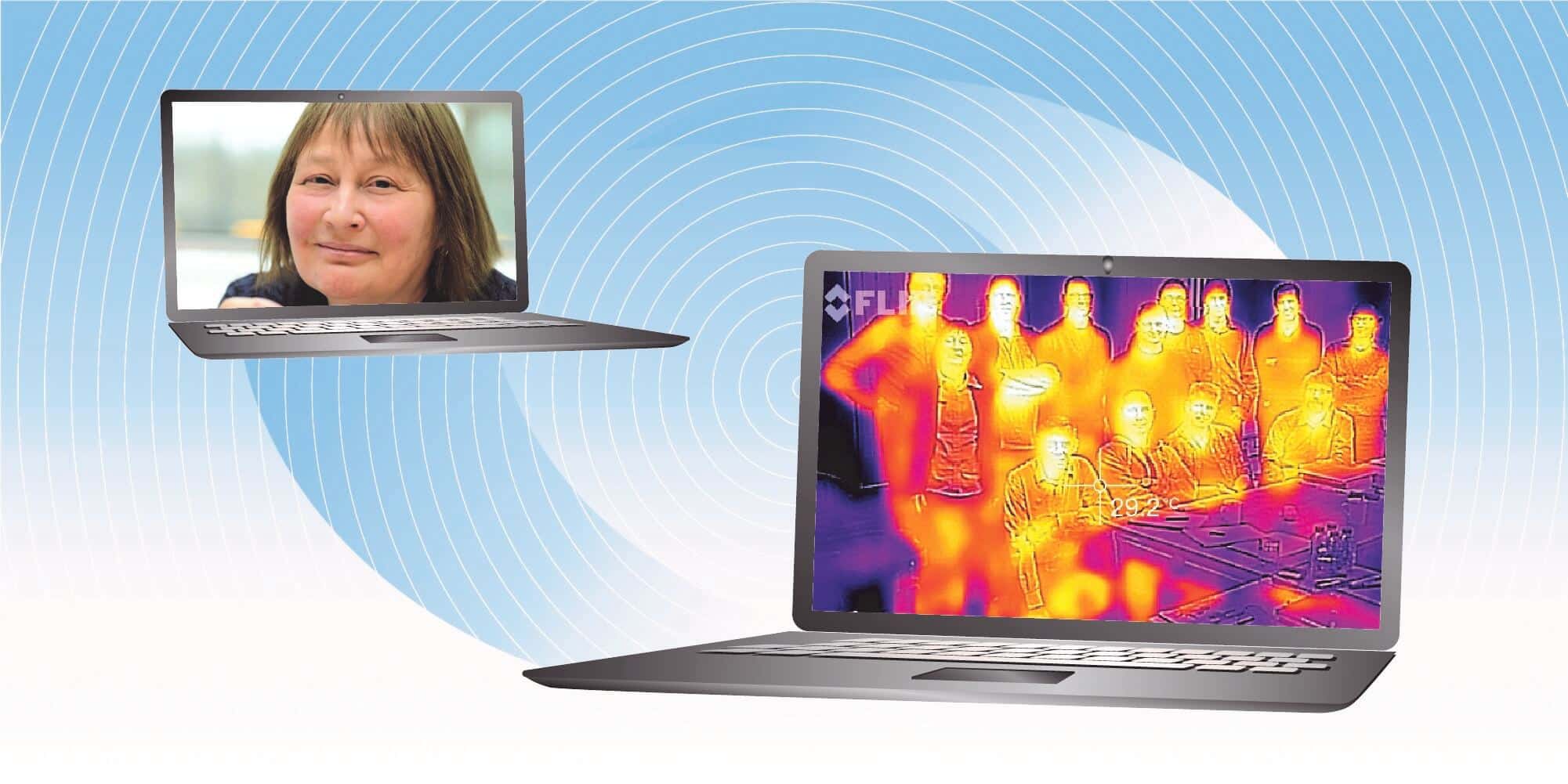
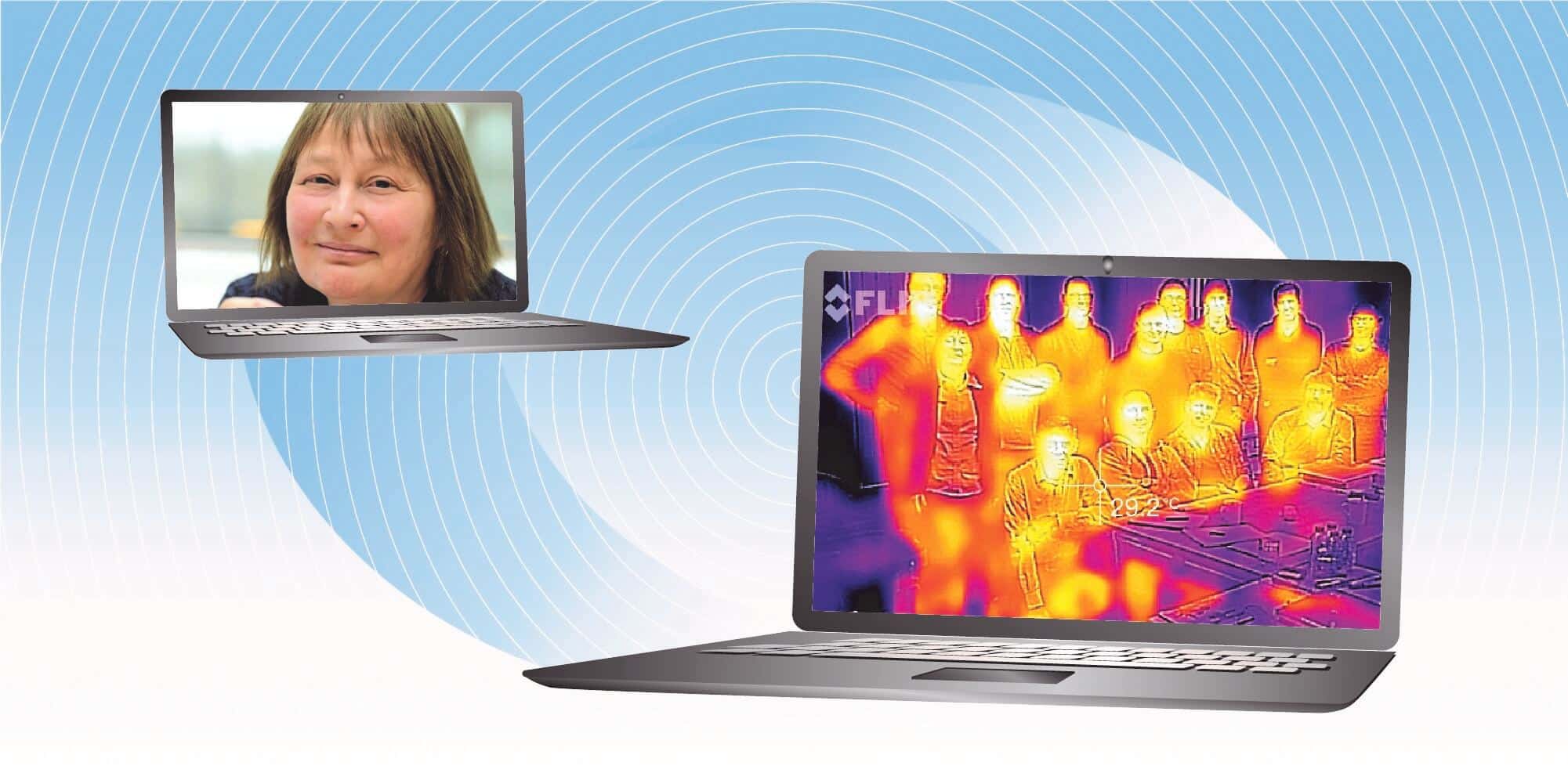
High Tech Institute introduces you to the first online participant for Cooling of Electronics: cat Okkie
Temperature uptake after two days Cooling of Electronics
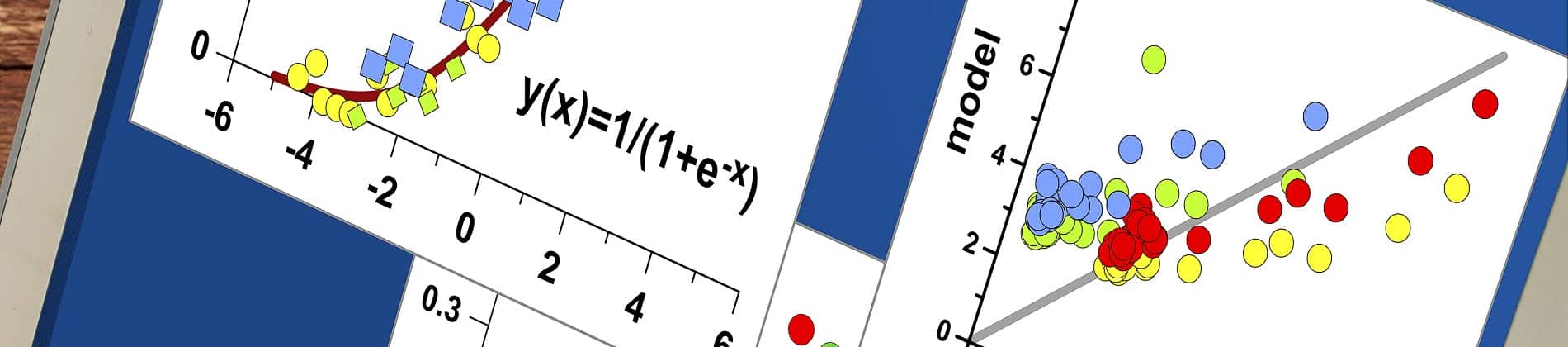
Statistics increase the probability of success
Keep up to date
Receive our monthly updates

