


Professor Control Systems | Eindhoven University of Technology & Delft University of Technology | Trainer at High Tech Institute
Tom Oomen is a Dutch professor in control systems whose work sits at the intersection of fundamental research and industrial application. He is full time professor in Control Systems Technology at Eindhoven University of Technology (TU/e) and guest professor at TU Delft where he leads research on data-driven motion control, system identification, and learning control for high-tech mechatronic systems.
His work is closely connected to industry, with collaborations including ASML and Philips. The results are applied in some of the most demanding precision environments, such as lithography machines, wide-format printers, medical ventilators, and gravitational-wave detectors.
A central idea in his work is that machines performing repetitive tasks can improve through learning. With the right control strategies, reproducible errors can be systematically compensated. Oomen has spent more than a decade translating this principle into methods that engineers can apply in real systems.
A defining aspect of his work is the integration of system identification and control — two fields that are often treated separately, but in practice need to operate together in high-performance systems.
Oomen completed both his MSc (cum laude) and PhD at TU/e, obtaining his doctorate in 2010.
In 2018, he became principal investigator of Group Oomen and in 2021 he was appointed full professor. In his 2024 inaugural lecture titled Learning in control, Oomen argued that the Brainport ecosystem’s culture of openness — where universities and industries discuss and publish results together — is what allows engineers to push machines to their true limits.
Awards and recognition
His work has been recognized with the Grand Nagamori Award (2021), the Young Researcher Award by the International Federation of Automatic Control (IFAC) (2019), VIDI (2017) and VENI (2013) grant by the Dutch Research Council, IEEE Transactions on Control Systems Technology Outstanding Paper Award (2015) and Mechatronics Paper Prize Award (2016).
He is a senior member of the IEEE, and is presently Associate Editor of IFAC Mechatronics and the IEEE Control Systems Letters (L-CSS). He has been Associate Editor on the IEEE Conference Editorial Board, as well as special issue guest editor for IFAC Mechatronics.
His academic impact is reflected in his Google Scholar profile which shows an h-index of 38, an i10-index of 175, and over 6,800 citations.
His most cited research connects system identification and control. In the 2014 paper Connecting system identification and robust control for next-generation motion control of a wafer stage (IEEE Transactions on Control Systems Technology), he showed how data from a running system can be used directly to improve controller performance — a concept that has become central to modern precision mechatronics. This approach was later expended with his work on feedforward control and iterative learning that is nowadays widely used in high-tech motion systems.
Other notable reseach papers inlcude inversion-based feedforward and iterative learning control and advanced motion control for precision mechatronics.
Training and industry application
At High Tech Institute Tom Oomen (as part of the Mechatronics Academy) teaches:
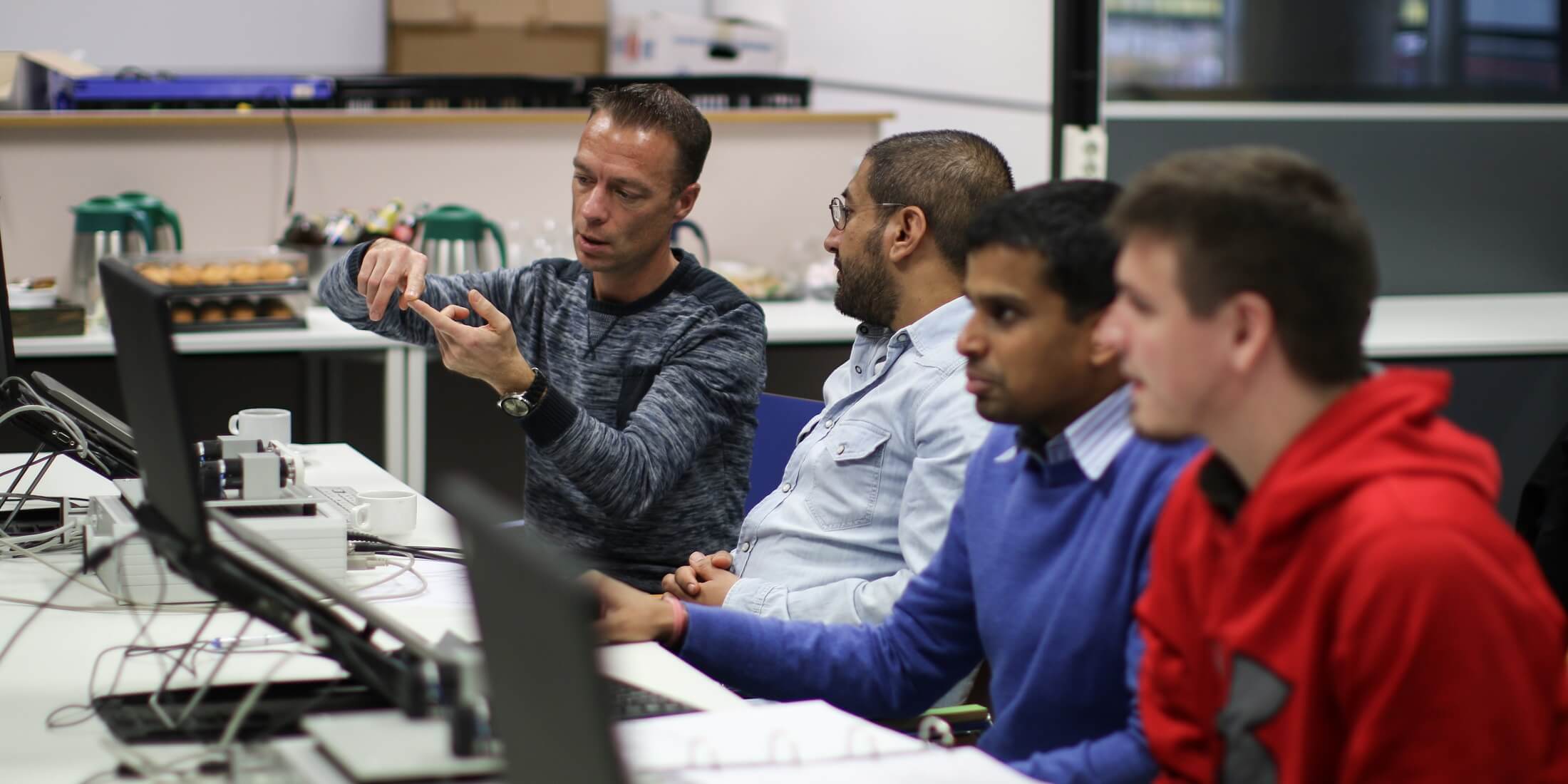
The structure of these courses reflects how engineers actually work: short theoretical blocks, immediately followed by hands-on application on real systems.
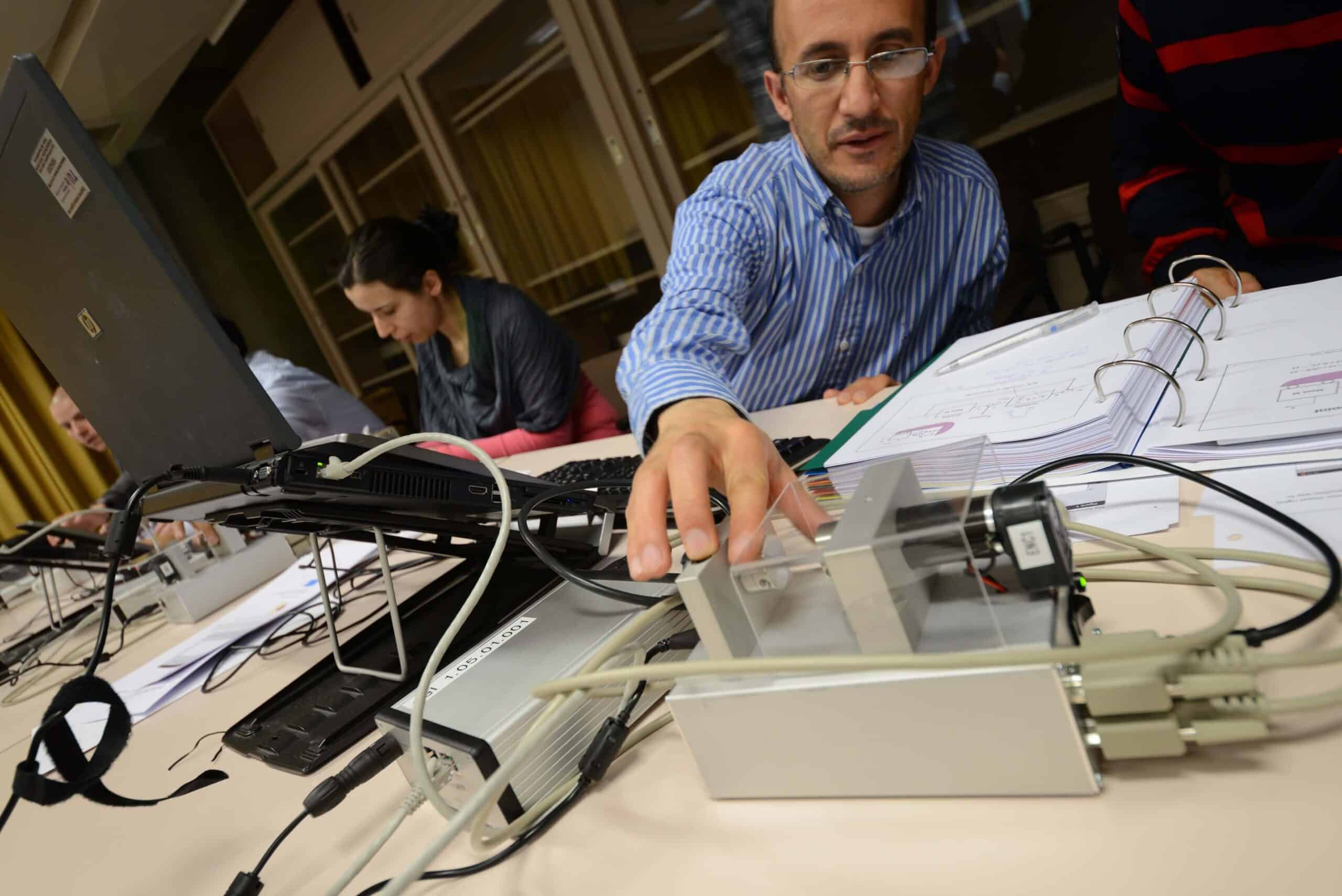
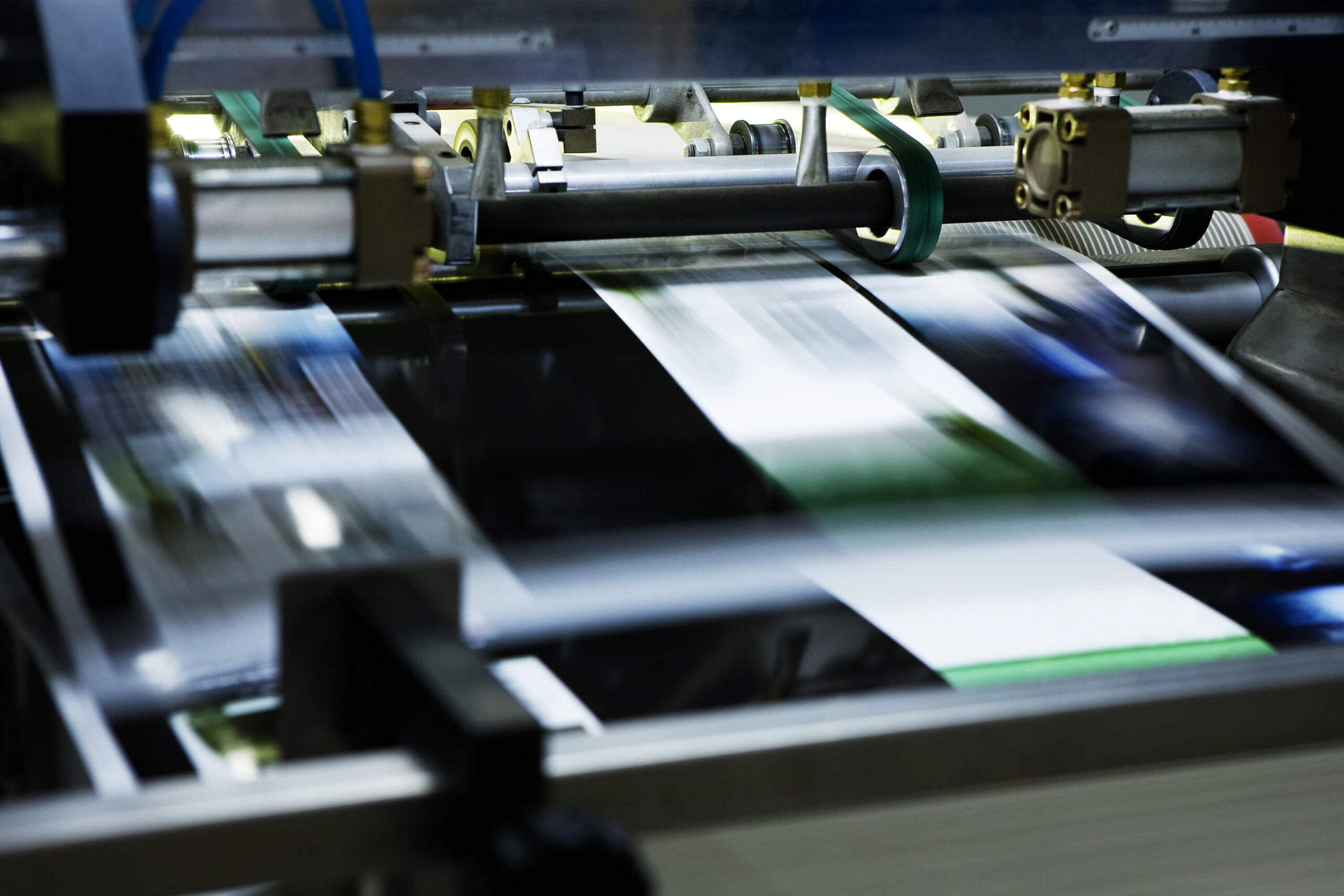
What sets his teaching apart is the deliberate use of simple setups to explain complex behavior. In the motion control course, participants work with a printer system — a relatively low-cost platform — to demonstrate how iterative learning can dramatically improve positioning accuracy. The result is often counterintuitive: systems with modest hardware can achieve near-perfect performance when the control strategy is right. This approach mirrors the environment he works in. In the Brainport Eindhoven ecosystem, universities and industry operate in close connection, with ideas tested in practice and refined through application. Engineers move between companies, knowledge circulates quickly, and solutions are judged on whether they work under real constraints. His courses are designed for that audience: engineers who already face complex problems and want methods that hold up outside the lab.
Tom Oomen is full time professor at TU/e, guest professor at TU Delft, and trainer at High Tech Institute in Motion Control Tuning, Advanced Motion Control, and Advanced Feedforward & Learning Control.
Iterative learning control improves the performance of motion systems by a factor of ten
After completing the Motion Control Tuning training, you can achieve optimal motion control performance in minutes
Keep up to date
Receive our monthly updates

