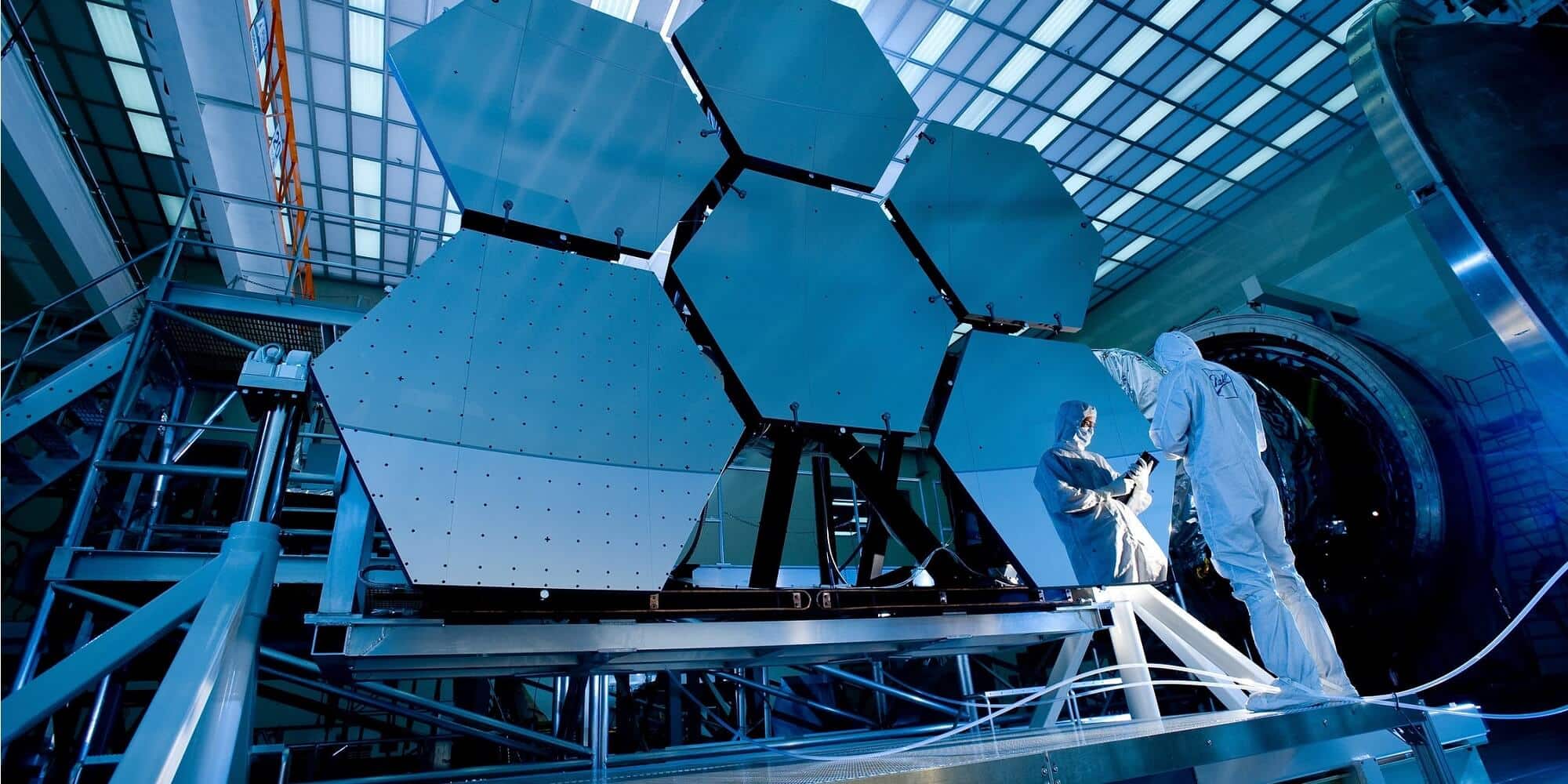
At its core, optics encompasses the study of light and its interaction with matter. Photonics, a closely related discipline, focuses on the generation, manipulation, and detection of light, or light particles (photons). Together, these fields underpin a vast array of modern technologies, shaping industries ranging from telecommunications to healthcare, and from entertainment to manufacturing. The relevance of optics and photonics in nowadays society cannot be overstated. In communications, optical fibers form the backbone of the internet, facilitating rapid data transmission across the globe. In medicine, laser-based technologies enable precise surgical procedures and non-invasive diagnostics. In renewable energy, photovoltaic cells harness the power of sunlight to generate electricity sustainably. The list of applications is virtually endless, illustrating the indispensable role of optics and photonics in our daily lives.
Beyond practical applications, the fascination for optics and photonics lies in its intrinsic beauty and complexity. The study of light encompasses a wide variety of phenomena, from the wave-particle duality to the mesmerizing interplay of colors in optical spectra. Exploring these phenomena not only deepens our understanding of the natural world but also inspires wonder and curiosity, driving scientific discovery and innovation. Moreover, optics and photonics represent a frontier of interdisciplinary research, bridging the gap between physics, engineering, chemistry, biology, and beyond. This interdisciplinary nature stimulates collaboration and cross-pollination of ideas, leading to groundbreaking discoveries and paradigm shifts in diverse fields.
This training is available for open enrollment as well as for in-company sessions. For in-company sessions, the training can be adapted to your organizational needs.
People who don’t have to design (specify, test, …) optical systems but are working in projects with optics together with optical designers and want to know more about optical principles, will benefit from this application-oriented course. By learning the ‘optical language’ and understanding the principles of optical systems, non-optical engineers are able to collaborate more effectively with their optical expert team members. This makes the whole system engineering team more successful.
This training is available for open enrollment as well as for in-company sessions. For in-company sessions, the Applied optics training can be adapted to your situation and specific needs.
Optics is the ‘enabling technology’ of the 21st century. To design optical systems, to specify and test optical components, to integrate optical components into products, requires knowledge and skills that can be learned in this Course on Modern Optics for Optical Designers (CMOP).
Over the years the CMOP course has become one of the most comprehensive optical courses in Western Europe, unique in its concept, covering the theoretical basics, practical optical system design and a broad overview of optical applications.
The course stands out due to:
giving a comprehensive overview on physical optics;
combining fundamental optics theory with current industrial applications (non-linear optics, photonics, lasers, lithography, biomedical);
its spread over 15 sessions, enabling deeper absorption, peer learning and networking;
its balanced mix of lectures, self-study, homework, group work and a visit to an optics manufacturing company;
its renowned trainers involved with relevant industry backgrounds and up-to-date knowledge;
its dual certification: recognized by euspen and DSPE, with ECP² accreditation—trusted across Europe.
This Course on Modern Optics for Optical Designers is composed of two parts. Part 1 discusses the basics of optics and a number of applications. Part 2 discusses optical system design.
Optics is the ‘enabling technology’ of the 21st century. To design optical systems, to specify and test optical components, to integrate optical components into products, requires knowledge and skills that can be learned in this Course on Modern Optics for Optical Designers (CMOP).
Over the years the CMOP course has become one of the most comprehensive optical courses in Western Europe, unique in its concept, covering the theoretical basics, practical optical system design and a broad overview of optical applications.
The course stands out due to:
giving a comprehensive overview on physical optics;
combining fundamental optics theory with current industrial applications (non-linear optics, photonics, lasers, lithography, biomedical);
its spread over 15 sessions, enabling deeper absorption, peer learning and networking;
its balanced mix of lectures, self-study, homework, group work and a visit to an optics manufacturing company;
its renowned trainers involved with relevant industry backgrounds and up-to-date knowledge;
its dual certification: recognized by euspen and DSPE, with ECP² accreditation—trusted across Europe.
The Course on Modern Optics for Optical Designers is composed of two parts. Part 1 discusses the basics of optics and a number of applications. Part 2 discusses optical system design.
This websites uses cookies to function. Additionally, we would like your consent to include cookies from third-parties. For more information on our cookies, please read our cookie statement. ACCEPT
Privacy & Cookies Policy
Privacy Overview
This website uses cookies to improve your experience while you navigate through the website. Out of these cookies, the cookies that are categorized as necessary are stored on your browser as they are essential for the working of basic functionalities of the website. We also use third-party cookies that help us analyze and understand how you use this website. These cookies will be stored in your browser only with your consent. You also have the option to opt-out of these cookies. But opting out of some of these cookies may have an effect on your browsing experience.
Necessary cookies are absolutely essential for the website to function properly. This category only includes cookies that ensures basic functionalities and security features of the website. These cookies do not store any personal information.
Any cookies that may not be particularly necessary for the website to function and is used specifically to collect user personal data via analytics, ads, other embedded contents are termed as non-necessary cookies. It is mandatory to procure user consent prior to running these cookies on your website.